Introduction: Why Quality Music Instruction Matters
Learning an instrument is more than a pastime; it’s a disciplined, creative pursuit that strengthens focus, builds confidence, and fosters lifelong appreciation for the arts. For families and adult learners in Arizona—especially here in Chandler—consistent progress and sustained motivation often come down to the caliber of the teacher. Skilled guidance helps students avoid frustrating plateaus, develop healthy technique, and connect musical skills to real-world performance.
East Valley School of Music supports music instruction for all ages with degree-holding instructors, structured curricula, and a welcoming learning environment. Whether you’re choosing piano for a young beginner, voice for a teen preparing auditions, or guitar as a creative outlet in adulthood, the right coach makes the journey efficient and engaging. In a community with active arts participation, quality matters—and strong pedagogy ensures students gain both fluency and joy in their music-making.
As you consider music instructors in Chandler, look for evidence of educational training, adaptable teaching methods, and opportunities to perform. These ingredients set the stage for measurable growth and a rewarding experience at every stage.
Understanding the Importance of Degree-Holding Instructors
A degree in music signals more than years of lessons—it reflects immersion in pedagogy, theory, ear training, ensemble work, and performance practice. Degree-holding music instructors draw from a broad toolkit: they know how to build technique from the ground up, diagnose problems quickly, and sequence repertoire so each piece reinforces new skills without overwhelming the student.
This depth matters in practical ways:
- Technique and injury prevention: Proper posture, hand shape, and breath support safeguard comfort and long-term progress.
- Clear learning pathways: Structured methods guide beginners through fundamentals and help advanced students refine artistry and style.
- Comprehensive musicianship: Lessons integrate theory, rhythm, ear training, and sight-reading, producing well-rounded players.
- Audition and performance preparation: From memorization strategies to stage etiquette, qualified music educators equip students to perform with confidence.
Degree-holding instructors also adapt to diverse goals. One learner may aim for classical proficiency, while another explores commercial styles, jazz improvisation, or singer-songwriter skills. Experienced teachers calibrate difficulty, introduce relevant techniques, and keep the pace aligned with each student’s capacity and motivation. For Arizona families seeking stability and accountability, that degree-backed expertise can make the difference between dabbling and real development.
Meet Our Team: Credentials and Specializations
At East Valley School of Music, students study with professional music teachers who hold degrees in their primary instruments and related fields. Our faculty includes bachelor’s, master’s, and doctoral-trained artists, each selected for both pedagogical skill and a supportive demeanor that suits learners of all ages. Students benefit from instructors who balance high expectations with practical, step-by-step coaching.
Areas of specialization available include:
- Piano and keyboard studies, spanning classical literature, contemporary styles, and accompaniment
- Strings: violin, viola, cello, and bass with graded methods and ensemble readiness
- Guitar: classical, acoustic, and electric approaches, including chord theory and reading
- Voice: healthy vocal production, diction, style interpretation, and audition-readiness
- Woodwinds and brass: flute, clarinet, saxophone, trumpet, trombone, horn, and more
- Percussion and drum set: stick control, rudiments, coordination, and reading
- Music theory, composition, and improvisation support for comprehensive musicianship
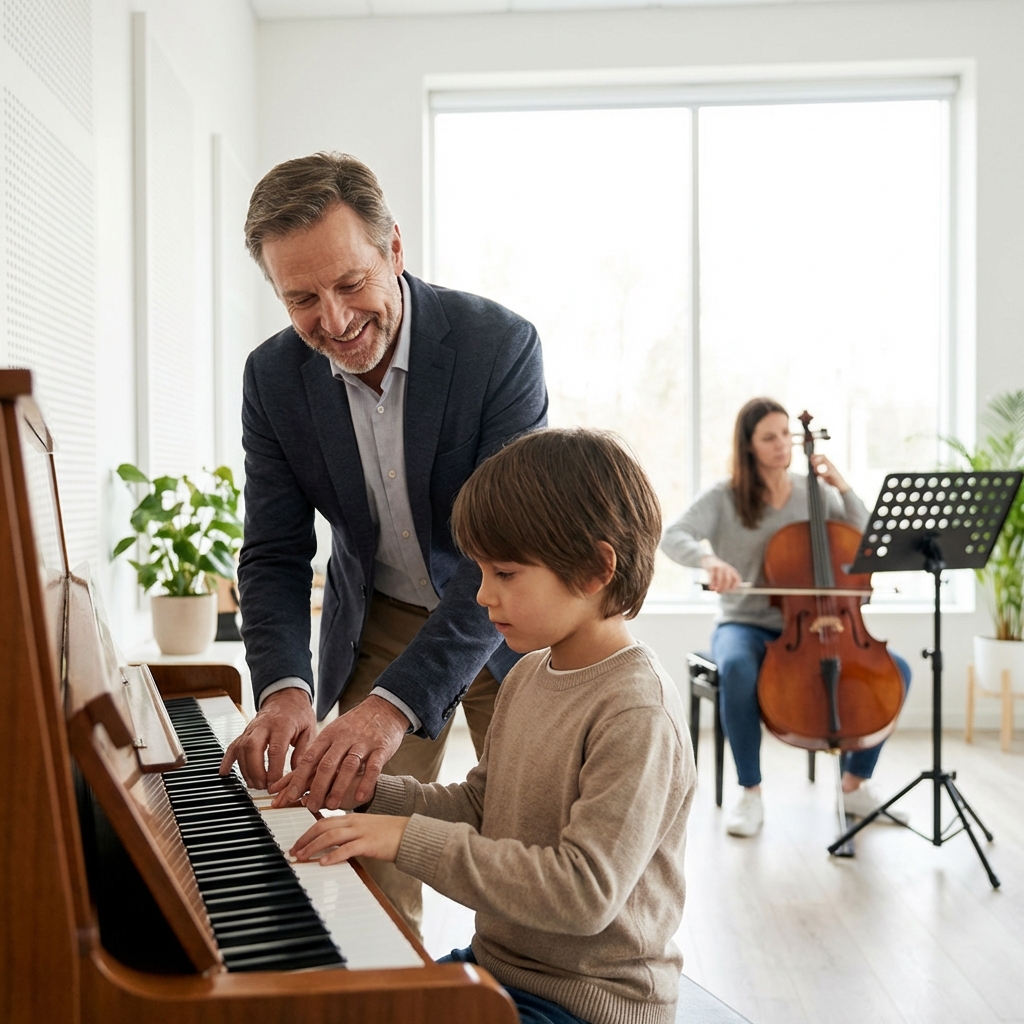
Beyond backgrounds in performance and education, our instructors maintain collaborative communication with families and adult learners. They explain weekly objectives clearly, provide targeted feedback, and refine practice plans so students spend time on the right skills. The result is a consistent, encouraging experience that supports beginners just getting started and advanced musicians pursuing auditions, chamber music, or recording projects.
Private Lessons vs. Group Classes: Finding Your Best Fit
Both formats serve distinct goals, and many students benefit from a thoughtful mix over time. Understanding the trade-offs helps you select the right path from the start.
Private lessons (ideal for individualized coaching)
- Personalized pace and repertoire choices tailored to the student’s age, skill level, and interests
- Immediate technical feedback to correct posture, hand position, articulation, and tone
- Direct preparation for auditions, chair placements, and solo performances
- Flexibility: sessions can focus on fundamentals, stylistic interpretation, or problem-solving a tricky passage
Group classes (effective for collaboration and motivation)
- Social learning that builds listening, ensemble awareness, and accountability
- Exposure to a range of musical roles—melody, harmony, rhythm—and basic arranging concepts
- Cost-effective entry point for younger beginners or students exploring a new instrument
- Structured projects like ensemble pieces or themed workshops that culminate in a class performance
If you’re unsure which format to choose, consider starting with private music lessons Chandler families often prefer for targeted skill-building, then adding a group class for ensemble experience. Students focused on rapid progress, audition prep, or rehabilitating technique typically start one-on-one. Learners motivated by camaraderie and shared milestones thrive in group settings. Either way, our advisors can outline a plan that fits your goals, schedule, and budget.
Personalized Learning Paths for Every Student
Tailored instruction is at the heart of sustainable growth. We begin with a conversation about goals—whether that’s foundational literacy for a young child, chorus leadership for a middle schooler, or a return to instrument study after a long break. Then we assess musical readiness, prior experience, and learning preferences to establish an individual roadmap.
Key components of a typical learning path include:
- Technique and tone: Building efficient mechanics for facility and sound quality
- Repertoire sequence: Curating pieces that stretch skills without overreaching
- Theory and ear training: Reinforcing note reading, rhythm, harmony, and listening
- Musicianship skills: Sight-reading, ensemble etiquette, and expressive interpretation
- Creativity tracks: Improvisation, arranging, or composition for interested students
- Practice design: Short, focused routines that fit busy family schedules
Children thrive when instruction blends games and discovery with clear objectives. Teens often appreciate goal-based tracks—audition prep, jazz improvisation, or songwriting—anchored by solid technique. Adult learners succeed with flexible pacing, repertoire they enjoy, and practice strategies that respect work and family commitments. Throughout, we maintain transparent progress markers so students can see, hear, and feel improvement week to week.
Financial Accessibility: ESA Scholarship Reimbursement Options
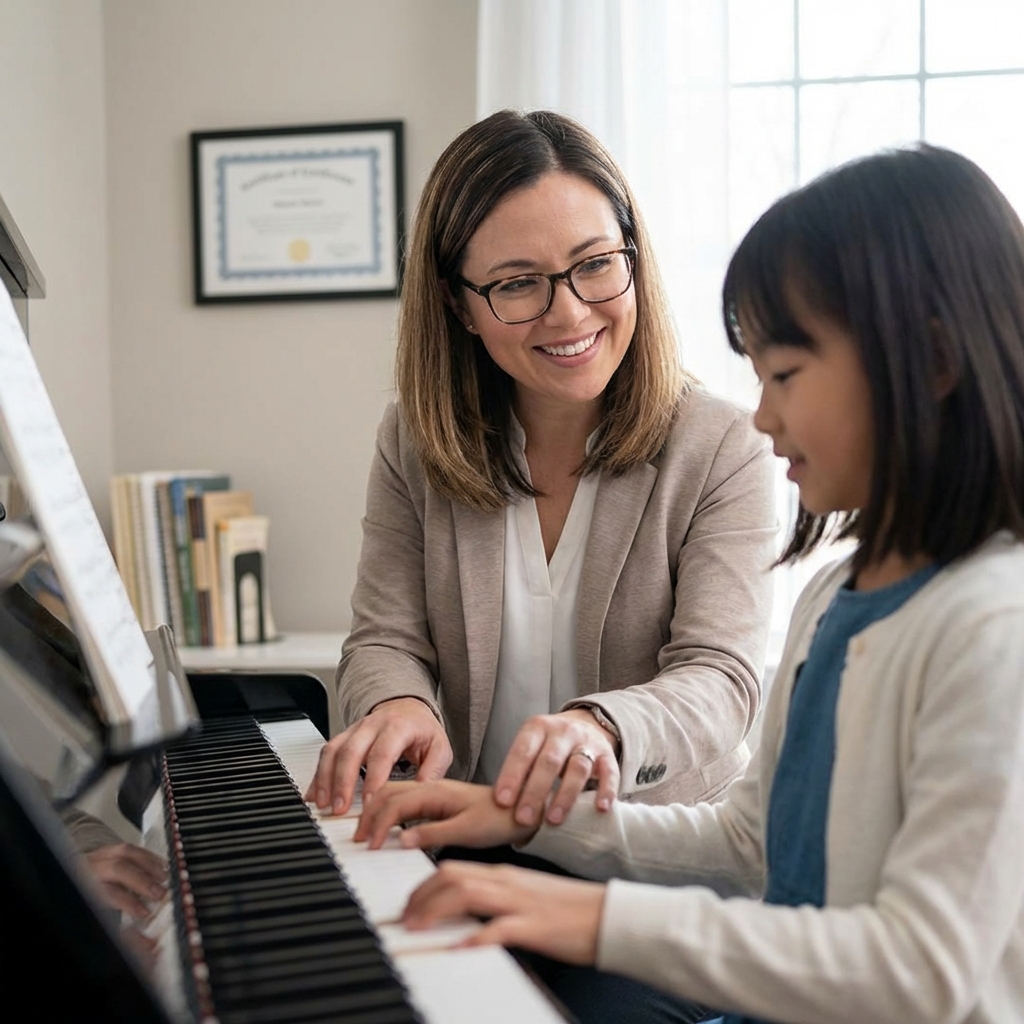
Arizona’s Empowerment Scholarship Account (ESA) program helps many families manage the cost of education-related services, including music instruction. East Valley School of Music offers ESA scholarship reimbursement eligibility, making it easier for Chandler-area students to study with qualified music educators.
How families typically approach ESA reimbursement:
- Confirm program eligibility and approved categories on the official ESA resources.
- Enroll in lessons, keep invoices and proof of payment, and follow the documentation requirements.
- Submit for reimbursement within the specified timelines according to ESA guidelines.
Best practices to streamline the process:
- Save all lesson invoices, rental agreements, and relevant receipts as you go.
- Clarify the reimbursement schedule in advance to align with your family’s budget.
- Ask our administrative team for itemized documentation when needed.
ESA policies can evolve, so always verify current requirements with the program administrators. Our role is to provide accurate records and support your submission process. The goal is simple: remove financial friction so students can study consistently with degree-holding music instructors and stay focused on their progress.
Performance Opportunities and Student Recitals
Frequent, low-pressure performances provide tangible milestones and help students synthesize technical and musical concepts. We host biannual student recitals where learners share pieces they’ve prepared, celebrate achievements, and practice stage presence in a supportive setting. Families see what regular practice produces, and students leave with renewed motivation to set new goals.
Performance preparation at East Valley School of Music typically includes:
- Repertoire selection that suits the student’s level and showcases recent growth
- Memorization strategies, musical shaping, and breath or bow planning
- Run-throughs to simulate nerves and build confidence
- Guidance on dress, stage entry/exit, and acknowledging the audience
Beyond recitals, students may engage in studio classes or collaborative projects that emphasize ensemble playing and listening skills. These experiences accelerate development—performers learn to keep steady rhythm, recover gracefully from mistakes, and communicate musical ideas with poise. For families evaluating music instructors in Chandler, performance infrastructure offers proof of progress and a welcoming community to grow within.
Instrument Rentals: Supporting Your Musical Journey
The right instrument accelerates learning. As a Milano Music instrument rental agent, East Valley School of Music helps students secure quality instruments that suit their level and budget. This is especially important for young string and band students who may need different sizes or mouthpieces as they develop.
Why renting works well for many families:
- Proper sizing and setup: Students can begin with the correct instrument size and adjust as they grow.
- Maintained equipment: Reliable instruments reduce frustration and encourage consistent practice.
- Flexibility: Renting allows you to explore an instrument before committing to a purchase.
- Teacher alignment: Instructors advise on reeds, strings, mallets, and other accessories that match the curriculum.
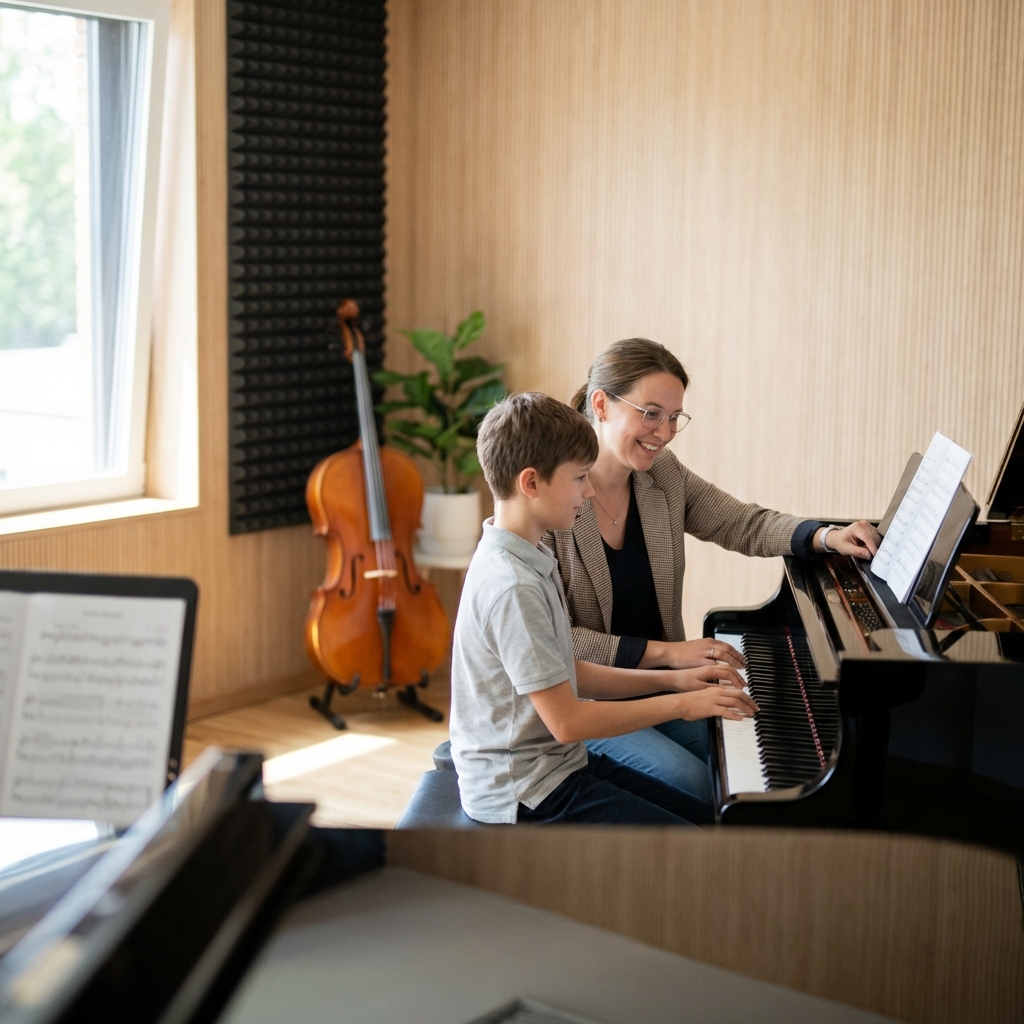
From violins and cellos to clarinets, flutes, saxophones, trumpets, trombones, and more, access to dependable gear supports steady progress. Learn more or start a rental through our Instrument rentals page. If you’re unsure what to choose, our team will coordinate with your teacher to match your goals and ensure the setup is optimized for comfort and tone.
Our Performance Venue and Community Impact
Our 100-seat performance hall serves students, local educators, and community partners who need a professional, intimate space for recitals and small concerts. The venue’s capacity strikes a balance—large enough for families and friends, yet focused enough for performers to communicate nuance and detail. For teachers across Chandler, this hall provides a reliable location to celebrate student progress and host polished events.
Typical uses for the space include:
- Student recitals and studio showcases
- Auditions, juries, and portfolio recordings
- Chamber concerts, ensemble readings, and collaborative workshops
- Community meetings and music appreciation events
By opening our doors to the region, we help sustain Chandler’s arts ecosystem and give learners a clear path from the practice room to the stage. When students regularly perform in a dedicated venue, they internalize the habits of preparation—organized practice, musical interpretation, and mindful listening—that make music study meaningful for life.
Getting Started: Enrollment and Lesson Selection
Beginning lessons is straightforward. A brief conversation helps us learn about your goals, scheduling needs, and preferred learning style. We then recommend an instructor whose training and teaching approach fit your profile—ensuring you work with professional music teachers who match your instrument, level, and interests.
A typical onboarding process:
- Share your goals: style preferences, prior experience, and performance interests.
- Choose a lesson length: 30 minutes for young beginners, 45–60 minutes for advancing students or audition prep.
- Match with a degree-holding instructor: we consider availability, personality fit, and expertise.
- Review materials: method books, sheet music, and accessories recommended by your teacher.
- Establish a practice plan: short, focused sessions that fit your weekly routine.
- Schedule your first lesson: confirm payment details and, if applicable, set up ESA documentation.
For details on instruments and lesson formats, explore our Private music lessons page. If you have questions about instrument sizing or acquisition, our team can also coordinate rental arrangements and discuss upgrade timelines as you progress. The goal is a smooth start that sets students up for consistent, satisfying results.
Conclusion: Transform Your Musical Goals Today
Selecting the right teacher is the single most important step in a successful music education. With degree-holding music instructors, flexible learning paths, ESA scholarship reimbursement eligibility, and meaningful performance opportunities, East Valley School of Music offers a comprehensive environment for music instruction for all ages. Families and adult learners gain access to qualified music educators who make practice purposeful, build lasting skills, and cultivate confidence on stage.
If you’re comparing music instructors in Chandler, look for training, structure, and community support that translate into real progress. From private coaching to collaborative classes and a 100-seat performance venue, we help Arizona students grow at every step. Reach out to begin your study plan, match with a teacher, and set clear goals—so the music you imagine becomes music you can play.